
Dollar edges lower as Greenland concerns ease; Aussie jumps after jobs data
The U.S. dollar softened on Thursday as geopolitical tensions eased following President Donald Trump’s decision to drop tariff threats against European allies and rule out a forceful seizure of Greenland. The currency showed little reaction to in-line U.S. inflation data.
The greenback fell 0.35% against the euro to $1.1726 and dropped 0.52% against the Swiss franc. The Australian dollar surged 0.83% to a 15-month high of $0.6818, buoyed by a surprise drop in the domestic unemployment rate.
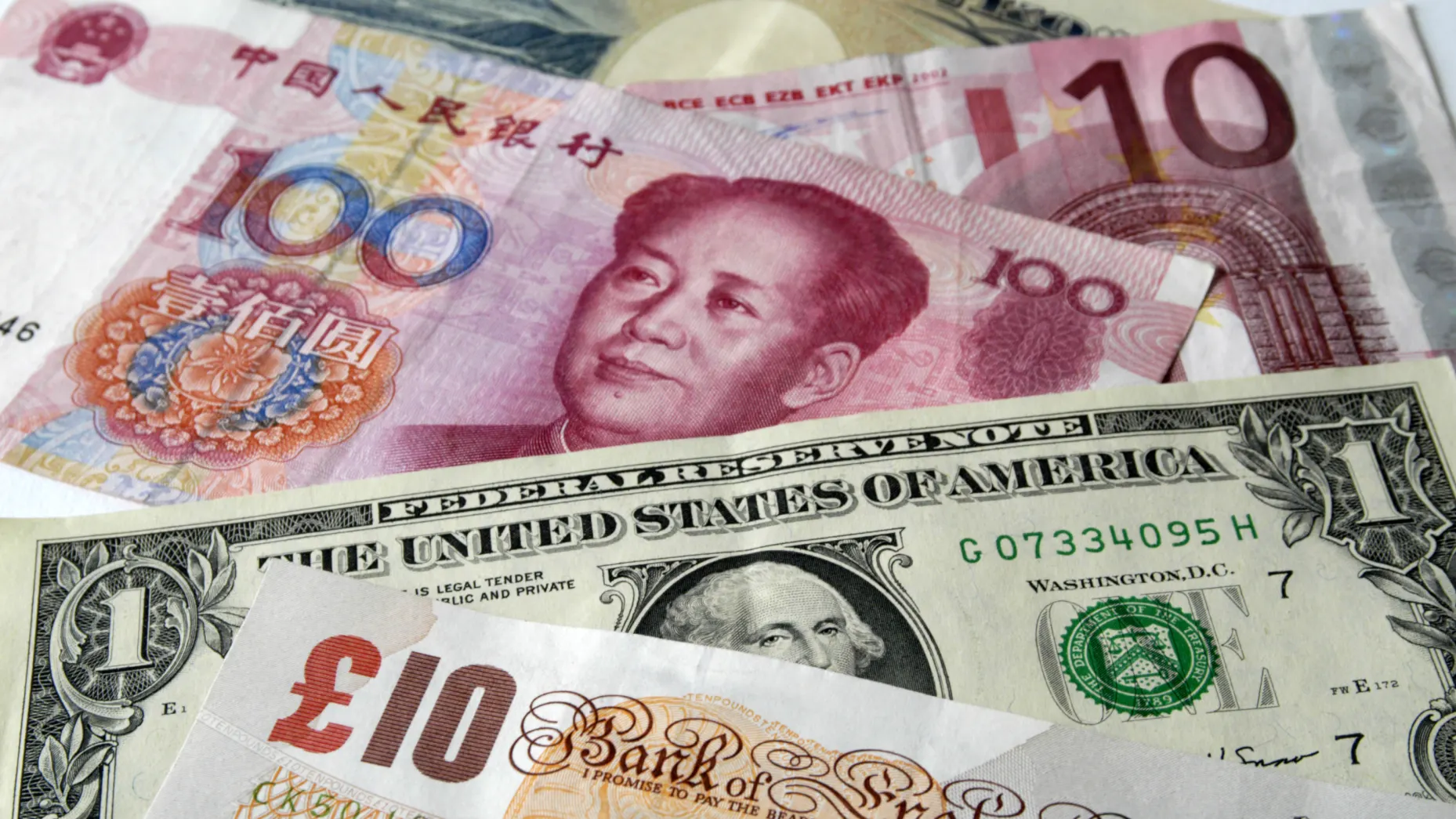
Investor sentiment stabilized after Trump called off threatened tariffs linked to Greenland and announced a vague "framework" agreement with NATO, calming markets that had been rattled earlier in the week. "This isn’t a ‘sell America’ story, it’s a risk‑management story," said Bob Savage, head market strategist at BNY.
Data showed U.S. consumer spending rose 0.5% in November, matching expectations and indicating sustained economic momentum. The Personal Consumption Expenditures (PCE) index, the Federal Reserve’s preferred inflation gauge, also met forecasts, reinforcing expectations that the central bank will hold rates steady in the near term.
The Japanese yen weakened slightly to 158.415 per dollar, remaining near 18-month lows as investors await the Bank of Japan’s policy decision Friday amid speculation of a hawkish tilt to support the currency.
Recent
News




Newsletter
Subscribe to our mailing list to get the new updates!

Subscribe our newsletter to stay updated
Most
Reviews
Wealth

Markets
Invest
Finance